
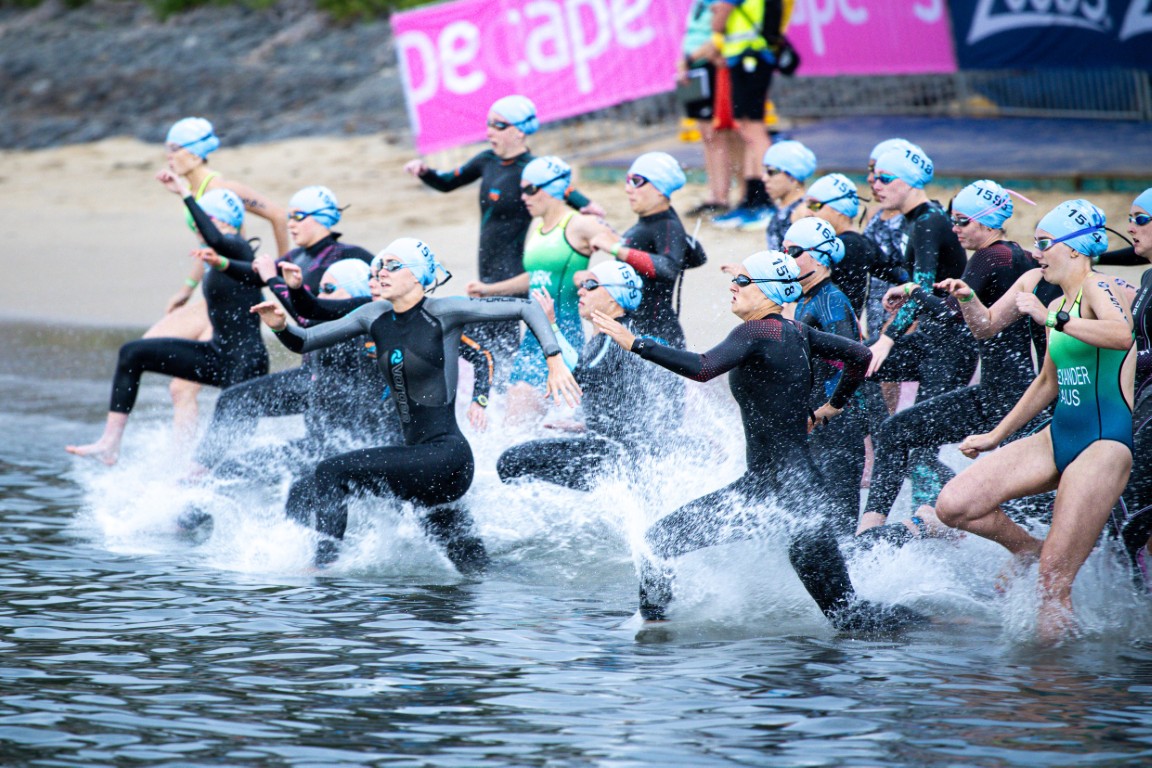
This Continuing Professional Development (CPD) E-course is delivered in a self-study format, allowing participants to progress independently through the material at their own pace. It provides specialised, evidence-based knowledge and practical coaching strategies to support female triathletes during pre-menopause, peri-menopause, and post-menopause. Participants will gain a comprehensive understanding of the physiological, hormonal, psychological, and performance-related changes experienced by women across this stage of life, and how to adapt training, recovery, nutrition, communication, and safeguarding practices accordingly.
The E-course integrates physiology, strength and conditioning, nutrition, recovery, mental health, and athlete-centred coaching into a cohesive and applied framework. Although the course is no longer delivered live, the self-study structure ensures it remains accessible and relevant, enabling triathlon coaches and performance practitioners to engage with the content flexibly while meeting the real-world needs of female athletes aged approximately 35–70+.
Introduction
The World Triathlon Coaching Female Triathletes – Level 2 (Pre-, Peri- and Post-Menopause) CPD E-Course is designed for triathlon coaches, age group athletes, performance coaches, sport nutritionists, strength & conditioning coaches, and professionals supporting female endurance athletes.
The programme equips participants with the knowledge and tools required to:
- Understand female endocrine and physiological changes across the lifespan.
- Recognise symptoms that affect training and performance.
- Apply safe and effective training adaptations.
- Integrate strength training, recovery strategies, nutrition planning, and mental health support.
- Communicate sensitively and professionally.
- Apply safeguarding standards and multidisciplinary collaboration.
Overview
This E-course offers a practice-focused and athlete-centred approach to coaching female triathletes during the menopausal transition. Participants will explore:
- Hormonal and physiological mechanisms and their impact on endurance performance.
- Health and medical considerations relevant to coaching practice.
- Training system design, strength integration, and recovery management.
- Nutrition strategies tailored to hormonal and age-related metabolic changes.
- Mental health, motivation, and long-term athlete engagement.
- Communication skills and safeguarding principles.
Learning outcomes
At the end of the E-course, attendees will:
- Explain key hormonal and physiological changes in pre-, peri-, and post-menopause.
- Recognise common symptoms affecting training (sleep disturbances, hot flashes, mood changes, reduced recovery, muscle mass decline, etc.).
- Identify major health considerations including bone health, cardiovascular risk, RED‑S, and pelvic floor health.
- Adapt endurance, strength, and technical training for menopausal athletes.
- Design recovery-focused microcycles and macrocycles aligned with symptom fluctuation.
- Apply nutrition strategies adapted to hormonal phases and age-related metabolic changes.
- Identify mental health warning signs and integrate supportive coaching approaches.
- Use evidence-based screening tools and performance benchmarks.
- Communicate effectively and sensitively with female athletes.
- Apply safeguarding standards and maintain professional boundaries.
- Collaborate effectively with multidisciplinary support teams.
Content
The E-course is divided into six (6) modules:
Module 1 – Female Physiology Across the Lifespan
- Female endocrine system overview
- Hormonal changes in pre-, peri- and post-menopause (oestrogen, progesterone, testosterone)
- Consequences for triathlon performance:
- Thermoregulation
- Muscle mass and strength decline
- Slower recovery
- Sleep disruption
- Increased injury risk
- Performance opportunities in menopausal athletes
- Pelvic floor health foundations
Module 2 – Health & Medical Considerations for Menopausal Athletes
- Bone density and osteoporosis
- Cardiovascular risk changes
- Pelvic floor dysfunction
- RED-S risk
- Hormone Replacement Therapy (HRT): coaching implications (non-clinical)
- Safe practice, ethics and professional boundaries
Module 3 – Training Adaptation, Strength & Recovery
- Strength and neuromuscular performance
- Loss of muscle mass and power
- Importance of strength training:
- Heavy lifting
- Plyometrics and power development
- Mobility and stability
- Pelvic-floor-safe adaptations
- Integrating strength into triathlon periodisation
- Recovery and load management
- Readiness monitoring and recovery strategies
Module 4 – Nutrition for Menopausal Triathletes
- Age-related metabolic changes
- Protein timing and distribution
- Carbohydrate strategies for fluctuating energy levels
- Recovery nutrition for sleep and muscle repair
- Body composition management without restrictive dieting
- Key micronutrients (calcium, vitamin D, iron, magnesium)
- Hydration and thermoregulation strategies
Module 5 – Mental Health & Performance Mindset
- Mood disturbances, anxiety and depression risk
- Athlete identity changes
- Confidence and body image challenges
- Emotional regulation tools
- Burnout and overtraining recognition
Module 6 – Communication, Safeguarding & Athlete-Centred Coaching
- Sensitive communication strategies
- Creating safe spaces
- Boundaries and confidentiality
- Safeguarding in 1:1 coaching
- Working with diverse backgrounds
- Long-term relationship building
Assessment
- Knowledge checks after each module.
- Coaching toolkit implementation
Supporting Resources
The content is supported by the World Triathlon Education & Knowledge Hub, which contains different information required to establish a successful training program. With all the content provided, coaches should be able to develop their coaching knowledge and skills and design a tailored training program for their athletes. For more details, please contact World Triathlon Development at development@triathlon.org.
Keynote Speakers
Project Lead:
Vicent Beltran (ESP) – Athlete Development Manager & World Triathlon Coach Facilitator
Module Leads:
- Kristina Skroce – Female Physiology
- Irina Zelenkova – Health & Medical Considerations
- Esther Morencos – Training Adaptation, Strength & Recovery
- Nicholas Willsmer - Nutrition for Menopausal Triathletes
- Holly Benner – Mental Health & Performance Mindset
- Fenella Ng – Communication & Safeguarding
Panel discussion: Elite Performance Across the Hormonal Lifespan: From Pre to Post-Menopause
- Former elite athletes
Please note that there is no tax charged on this course. We can issue receipts/invoices if requested but these will not include a tax breakdown.


